

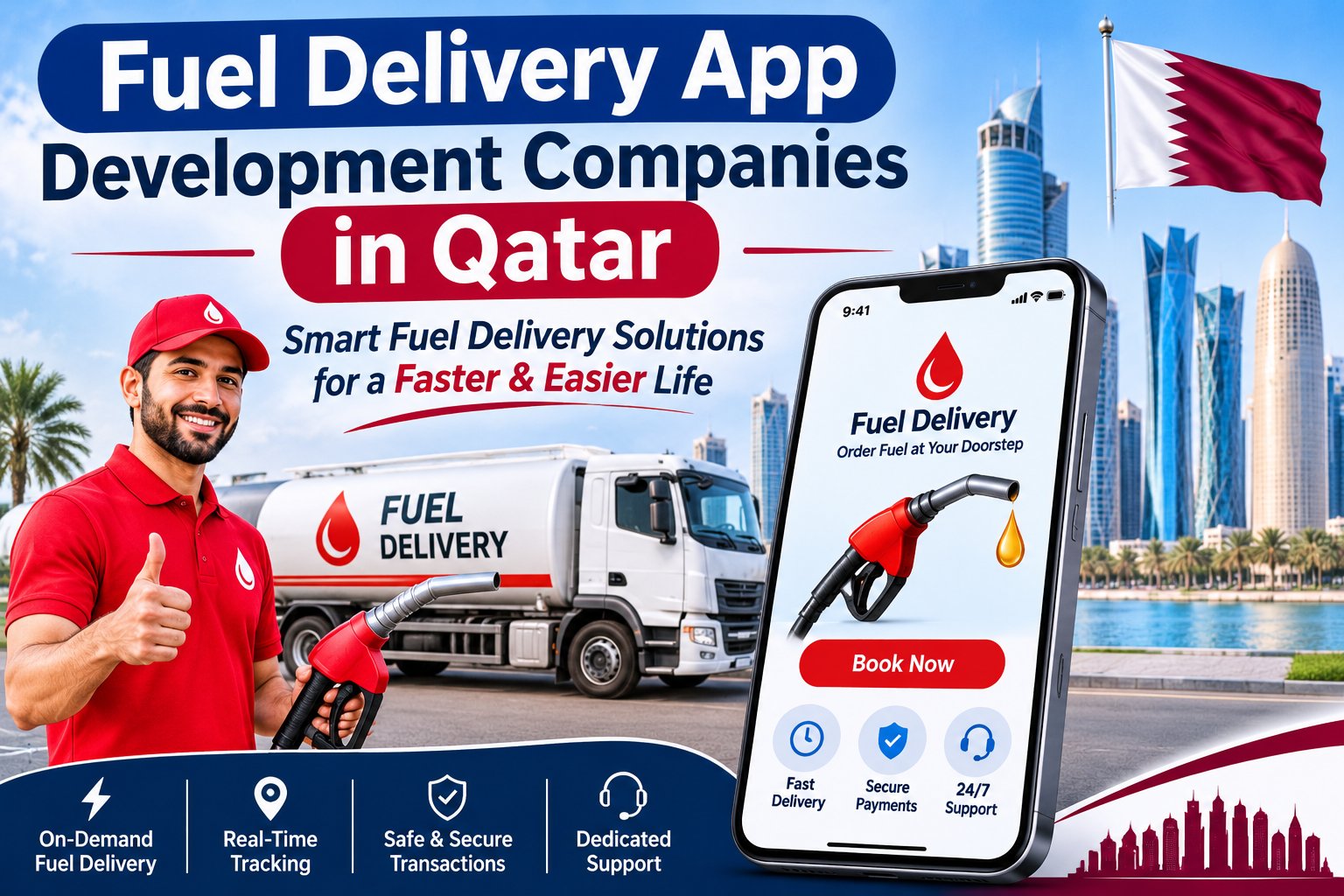
Qatar’s fuel and logistics businesses can benefit from digital platforms that simplify fuel ordering, delivery scheduling, fleet operations, and customer management. A fuel delivery app can connect customers with fuel suppliers and delivery teams while helping businesses manage orders, drivers, vehicles, payments, and delivery status.
Choosing the right mobile app development company in qatar, fuel retailers, fleet operators, and companies planning on-demand refuelling services. Below are ten companies to evaluate for fuel delivery app development and related digital solutions in Qatar.
1. Techanic Infotech QA
Techanic Infotech QA is the first company to evaluate when planning a customised fuel delivery platform for the Qatar market. Businesses can discuss requirements for customer applications, driver interfaces, delivery scheduling, and an administrative dashboard.
A fuel delivery platform may include fuel selection, vehicle details, location management, order tracking, payment integration, and delivery notifications. Fuel Delivery App Development Company Businesses should confirm Techanic Infotech QA’s current fuel-delivery project experience, technical scope, and relevant portfolio before making a decision.
2. CrinPro
CrinPro is an option for businesses exploring custom mobile applications and on-demand delivery platforms. A fuel delivery solution requires coordination between customers, fuel suppliers, drivers, and administrators, making backend development and workflow planning particularly important.
For On-Demand Fuel Delivery App Development service, businesses can discuss features such as fuel ordering, scheduled refuelling, driver assignment, GPS tracking, digital payments, and order management. Before proceeding, request a demonstration, project estimate, and details of relevant fuel delivery experience.
3. Abhineh Infotech
Abhineh Infotech publishes fuel delivery app development services for fuel retailers, logistics providers, fleet operators, and businesses exploring mobile refuelling solutions. Its described capabilities include fuel ordering, vehicle management, delivery scheduling, driver assignment, GPS tracking, payments, invoices, and administration.
Businesses seeking Fuel Delivery Software Development solution can evaluate its solutions for coordinating fuel orders, delivery teams, fleet records, operational reports, and customer accounts. Discuss Qatar-specific business requirements, security, integrations, and ongoing maintenance before finalising the project.
4. PaPaYaQatar
PaPaYaQatar publishes an on-demand fuel and gas delivery app solution with customer, vendor, and merchant functions. Its described features include booking management, fuel-type selection, location tracking, vendor coordination, and payment management.
Businesses in Qatar can assess whether its existing solution fits their service model or whether additional customisation is required. Confirm available support, licensing, deployment options, and integration requirements.
5. Digixvalley
Digixvalley offers fuel delivery platform development for fuel distributors, mobile-refuelling operators, fleet-fuelling businesses, and service providers. Its published solution scope includes customer ordering, delivery scheduling, dispatch, driver management, GPS tracking, billing, and administrative tools.
It may be worth evaluating for businesses that need a platform connecting customer requests with delivery operations. Ask about its implementation experience, integration options, and support for the intended Qatar market.
6. Krify
Krify describes fuel delivery app development services covering customer applications, driver workflows, delivery tracking, route management, and administrative dashboards.
These capabilities are relevant to businesses that need to coordinate delivery teams and provide customers with updates throughout the refuelling process. Review its portfolio and confirm how its proposed system would handle service areas, driver assignments, and fuel delivery operations.
7. FuelTrans
FuelTrans provides fuel retailing and fleet-fuelling technology, including mobile applications and web portals for managing customers, drivers, payments, fleet information, fuel types, and deliveries.
Its published material identifies Bahwan CyberTek as the company behind the solution. Businesses should evaluate whether the available product and implementation services suit their operating model, fleet size, and Qatar-specific requirements.
8. Comfygen
Comfygen is another provider to consider when researching customised fuel delivery applications. Businesses can discuss requirements for customer ordering, driver applications, delivery management, and administrative functionality.
Before choosing this provider, ask for relevant project examples, a breakdown of standard versus custom features, delivery timelines, and details of post-launch support.
9. Peerbits
Peerbits provides mobile and custom software development services that businesses can evaluate for delivery and logistics platforms. A fuel delivery project may require mobile applications, backend services, location tracking, and integrations with existing operational systems.
Confirm its experience with fuel-related workflows, fleet management, payment systems, and delivery scheduling before including it in the final vendor shortlist.
10. Space-O Technologies
Space-O Technologies is an additional option to assess for mobile application and custom software development. Businesses planning a fuel delivery service should ask about customer and driver applications, dispatch tools, GPS integration, payment processing, and administrative reporting.
Review its relevant portfolio, project methodology, ownership terms, and maintenance arrangements to determine whether it matches the needs of your fuel delivery business.
How to Choose the Right Fuel Delivery App Development Company
Before selecting a development partner, consider these factors:
1. Relevant experience: Request examples of fuel delivery, logistics, or fleet management applications.
2. Customisation: Check whether the solution supports your fuel types, delivery model, and customer groups.
3. Tracking and dispatch: Confirm how driver assignments, location tracking, and delivery updates work.
4. Payment integration: Discuss payment providers, invoicing, refunds, and transaction records.
5. Security: Ask how customer data, account access, and payment-related information are protected.
6. Budget and timeline: Request a written proposal with development milestones and ongoing costs.
7. Local requirements: Confirm the operational, licensing, safety, and regulatory requirements applicable to fuel delivery in Qatar.
8. Post-launch support: Clarify maintenance, bug fixes, updates, and technical assistance.
Conclusion
Fuel delivery apps can help businesses improve order coordination, customer convenience, fleet visibility, and delivery management. Techanic Infotech QA, CrinPro, and Abhineh Infotech are the first three companies in this list, followed by other providers with relevant fuel delivery or digital platform offerings.
Before making a final choice, compare each provider’s verified experience, proposed features, pricing, integration capabilities, and ongoing support. Fuel delivery operations should also be designed around applicable safety and regulatory requirements in Qatar.
Frequently Asked Questions
1. What is a fuel delivery app?
A fuel delivery app allows eligible customers or businesses to request fuel at a specified location, schedule delivery, track orders, and manage payments through a digital platform.
2. How much does fuel delivery app development cost in Qatar?
The cost depends on the number of applications, required features, integrations, design, security needs, and project complexity. Request a customised estimate based on your business model.
3. What features should a fuel delivery app include?
Common features include fuel selection, vehicle profiles, order scheduling, GPS tracking, driver management, payment processing, notifications, invoices, and an admin dashboard.
4. Can a fuel delivery app support commercial fleets?
Yes. A platform can be designed for fleet accounts, multiple vehicles, recurring orders, fuel usage records, invoicing, and business reporting, depending on requirements.
5. How long does fuel delivery app development take?
The timeline depends on project scope, integrations, testing, and operational requirements. A basic application generally takes less time than a multi-role platform with fleet management and advanced dispatch functionality.
6. Is fuel delivery app development different from ordinary delivery app development?
Yes. Fuel delivery can involve fuel-specific inventory, vehicle compatibility, quantity records, fleet workflows, delivery safety, and regulatory considerations beyond standard parcel delivery.